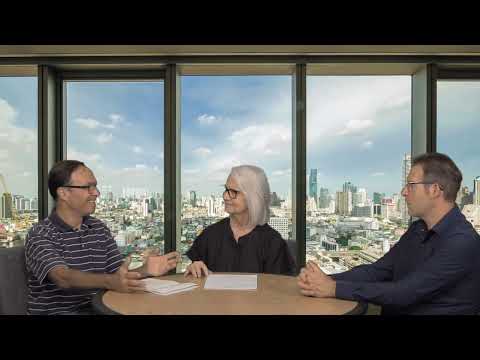
Welcome to Open Agenda. I'm your host
Joe White. In the studio with us right
now is Joe Scafino from Salsbury. Thank
you. Michael Langford from Salsbury.
Thanks for coming in.
>> Thank you for having me.
>> So you both were at the Salsbury City
Council meeting and I want to talk about
the two main subjects that came up last
night. One, we saw the appointment of
Melissa Holland. she was sworn in to to
take Deshawn Dowy's spot.
>> Uh but also we had a lot of folks at the
meeting about Keiante Bratton and his
engagement with the Salsbury City Police
and we want to talk about those public
comments as well. Um Joe, I know you
have experience with being on
government. You've you've been elected
to to to councils before. Um I want to
bring in Dr. Joinosa because he was at
the meeting as well and I want to get a
sense for what he saw but then I want to
bring you back in and get a little
analysis of what you would have liked to
have seen from your experience actually
serving.
>> Yep.
>> All right, Michael, is that all good
with you?
>> Sounds great.
>> So stay with us. When we come back,
we're going to bring in Dr. Joe Venosa.
We're going to talk about the Salsbury
City Council meeting from December 8th.
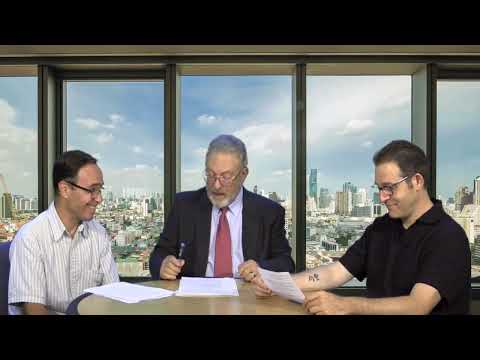
>> Welcome back to Open Agenda. In the
studio with us now is Dr. Joe Venosa.
Thank you for coming in.
>> Thank you.
>> Michael Langford. Thanks for sticking
around. So, gentlemen, uh we the point
of the show was to to talk about the the
the appointment of Melissa Holland to
the Salsbury City Council, and that was
a major topic yesterday. A a little bit
later on, I want to get on to the Keonte
uh uh Bratton incident with the Salsbury
Police. But first, let's start with the
Salsbury City Council. as we suspected.
Uh I mean she was sworn in and then it
immediately went to a president um vote
and this did turn into a vote to to have
Angela Blake as the president of the
Salsbury city council.
Any shock there
>> for council president now open?
>> Yes. Is the mayor?
>> Yes.
>> Um I'd like to nominate Councilwoman
Jackson for the president, please.
>> Okay. So we have one nomination. I'd
like to nominate Angela Blake.
>> Yeah. Are there any votes for the second
nominee, Miss Blake?
>> I I
>> seeing three votes, I will now turn the
meeting over to you. Now, Mrs. Mrs.
Blake, any president?
>> No, it's what we unfortunately expected.
I wish they proved us wrong, but I mean
just Yeah. quidd proquo kind of
situation. They both fought for her to
be there, so then she fought for her to
be there.
>> Yeah, it's a great way to put it.
>> Well, okay. And then it was a little
surprising to see April Jackson
unanimously as vice president. But was
that just an effort to change the
optics?
>> Actually, that was the least surprising
thing.
>> Oh, it was okay.
>> To me, because essentially two Well,
three reasons. One is this. Um,
>> there's no way that Michelle Gregory
would ever have the work ethic, in my
humble opinion, to be vice president.
Okay?
>> Um, she doesn't even respond to
constituent emails from everyone that
I've spoken with in that district, much
less show up to meetings consistently.
Um, so she wasn't going to be an option.
Sharon Deile has said repeatedly that
she would not serve as vice president if
it was under that faction of city
government. I think for obvious reasons.
And so I think in Angela Blake's um and
Michelle Gregory's kind of short
progressminded approach to symbolic
virtue signaling, I think they thought
we'll give April this position as a kind
of second place, you know, prize. That
way they can't say that we don't uh you
know value her. And if you watch the
video, don't take my word for it. If you
watch the video of when that vote takes
place, I would look at Miss Jackson's
body language and response because I
think she viewed it in some ways as kind
of an insult.
>> That's my thought. There's also the
aspect of if you watch the video, the
way in which it occurred the per when
they got to the vice presidential before
they could even before Angela could
finish the process of the words that you
say to open the to nominations for who
would be vice president, Melissa Holland
nervously cuts her off short and
suggests April.
>> The following rules will be adhered to
in the election of the new council vice
president.
Um, council president, I vote to
nominate April Jackson for vice
president.
>> Hold on.
>> Okay. I'm going to go through the rules.
>> Okay. Sorry.
>> I'm going to go through the rules first.
>> So, you know that there's like And this
is a person who
>> What experience would Melissa Holland
have at that point that April Jackson
should be vice president?
>> Exactly. Why would she be the one to
propose it? And so when you see that
lock step with them putting Angela there
and then you see Yeah. It's very
scripted.
>> All right. So, so the crux of this issue
is the fact that four people and only
four people in the sal city of Salsbury
selected a representative from a
district that none of the four people
live in or represent.
>> And this process was in a closed
session, which I think city of Salsbury
has proven that that's a that's a key
component to their their legislative
governance, uh, good or bad. And you've
cut through a lot of that yourself,
Michael, with your investigations.
But at the end of the day, that this
this this
issue of a tie because that's what
that's what started this uh when when we
had a tie between selecting J. Michael
Mitchell and and Melissa Holland, there
was no way to break the tie. You know,
there has to be a procedure to break a
tie.
Um, I think the charter needs to be
addressed so that in the event of a tie,
who else but the mayor, another elected
official to make that decision?
>> There's a structural issue there
obviously and and we have talked about
it and other people during public
comments alluded to it.
>> Yeah. Everybody in here by a show of
hands, who thinks this charter needs to
be changed?
>> Hey, council president, put it on your
agenda. Now, if it doesn't get on the
agenda next two years, we know why. Now,
another thing we also might want to see
on that agenda or put on there also with
the next two years is if you have to
fill a a council vacancy and it's more
than a year, how about special election?
>> Right. Right.
>> It don't take much.
>> But I'm also concerned about the fact
that even before you get to the tie,
there's some real concerns from what
we've discovered, especially if you
listen to Miss Natalie St. Far's
comments uh that people were blocked
from even being, you know, even from
having their application fully examined.
>> Good evening everyone. My name is
Natalie St. Farard and I'm a District 2
resident and I'm here to talk about some
things that matter to me. Last week, I
was cut out of the District 2 vacancy
process. The explanations that I
received made little to no sense.
So, I've submitted a Maryland Public
Information Act request to get some
answers. And I'll be honest, the more
that I learn, the harder it is not to
see the patterns.
>> I've heard about multiple candidates
disqualified based on alleged
residency requirements. When that
happens over and over again, it starts
to look less like a coincidence and more
like a convenient tool to block new
voices, new ideas, and new energy from
entering a system
>> that desperately needs fresh and
innovative ideas,
>> right?
>> Because hers was actually deemed not
eligible, right?
>> Disqualified, I think would be the word,
right? She was disqualified so that she
didn't get to the interview stage of the
process. So, she applied but was
disqualified, therefore could not
interview. And and yet again, at least
from what she and other council members
have said, at least two council members,
she um provided all the required
documentation, I find it kind of
disheartening that you have people who
are well known in the community to to um
paraphrase somebody boots on the ground,
much like J. Michael Mitchell, and they
don't even get an interview.
>> Yeah. I mean, so my experience with all
of the candidates, most of it has to do
with J. Michael Mitchell, and he
exemplifies boots on the ground.
Politically, J. Michael and I may not
even agree on a lot of things,
especially nationally. Yeah.
>> But if you want to ask someone who what
belongs in their neighborhood,
>> he is the neighborhood. and for a lot of
kids. I mean, whether it's a baseball
camp or or the summer basketball league
and he runs that for boys and girls and
everything is is is out there for people
to participate.
>> Also, he has worked for the city before
and he works for the county.
>> So, he also works in local government.
So, we we put Melissa Holland because of
uh basically secretarial experience
>> from years ago.
>> All right. So, my name is Jamaich
Mitchell. Um, I think the the thought
process for me is when you're always
told to trust the process and you're
always told showing up after a while
people will get it and understand. Um,
we will be putting in a public
information act request to see the
rubric of what and how applicants were
judged, the notes from the process, and
also text messages from said director
who we believe was involved in some
conversations and also um from the
council. Um, we think that it needs to
be a fair process and I truly believe
myself that the process wasn't fair. No,
nothing from against Miss Holland at
all. I don't know her. I can't speak
against her or anything that she has
done in this community and
congratulations on winning um the vote
of the council. Um but we truly believe
in people having a fair say in the
process. And when you say that having
people who don't live in our district
speaking for our district and making
decisions for our district when we never
see them in our district is very
difficult to accept. So again, as it
said before, um the process is flawed.
When you have people who don't live in
that district making decisions for that
district, it needs to be a special
election vote of some sort where the
people have a say because the people
know who they see votes on the ground,
>> right, from years ago. But even so, it's
just like this is not a person who's an
executive. This is not a person with any
kind of legal or financial
responsibilities in that role. So now
you're stepping into the legislator
legislative body, you know, of a
governing city when you have no
experience. Jer Michael again serves on
governing boards. So it's like again
this person is like overqualified
honestly for the position and clearly
again boots on the ground kind of has
both the visibility you want to public
official as well as the qualifications
>> and hearing that both Miss St. Farard's
application wasn't even allowed to run
its course and have an interview and
then hearing from what we now know that
Michelle Gregory and Andrew Blake
specifically tried to block Jichel's
interview from even happening is really
disturbing to me. Right. because it it's
the opposite of what a city government
should provide to its citizens, which is
basic transparency and an open form. And
we heard from many people who at least
said, "Okay, we'll accept once again
that this is the third time there has
been in a lot of people's eyes a kind of
predetermined decision to who to
appoint. Can we at least amend the
charter?" And I'm going to say this
right now, I don't think that's going to
happen with this council. Well, and and
that's one of my fears when when you're
dealing with a group like Shore
Progress, they they speak about
inclusion and then they then they don't
they don't follow with inclusion. No.
>> And and and Jermaichel's point has been
that this I and and he has stated he's
prefaced this that he does not use this
term you loosely, but he has said this
was a a racist event from folks who
claim
>> to to support that inclusiveness. And I
find it interesting that one of the
members affiliated with Progress made a
very long post about the city council
meeting last night largely using an AI
generated program. Now this person
wasn't at the meeting. They weren't
there.
>> That was key.
>> But they never alluded to the fact that
most of the community felt that they
were not being heard. They also never
alluded to the fact seem to support a
change in the charter for this
appointment process or at least from
what I could tell it was minimally
referenced. And so I think again there
is there is a political game that some
people in certain community groups play
and then there's the actual community.
>> Yeah. Well, so we're interested to to
see does the fact that Melissa Holland
has a a business tie with with a
developer Gillis Gilkerson, one that
we've talked about on this show uh with
Deshawn Dowy and and and his involvement
with developers. Is this going to play a
role in in future city policy?
>> I did some investigating that I don't
know if council did on uh Miss Holland.
If you look up court records, you're
going to see like Mr. Dowy who was
replaced, there's a long list of
leans and judgments against him. But
according to the records, there's even
an open one still.
Um, I also found that
the house that she rents is from the
Gilkerson developer.
So any votes
involving that developer, uh, I believe
she should abstain from. And Michael,
you've talked about this when they've
talked about annexing property,
developers ability to have developer
rights versus subsidies. And will this
now is it still is the deck still just
stack three to two against?
>> To some extent, I I'll say there's there
it's really it is actually really
encouraging to have the current mayor we
have. So, if you look at the new
Chick-fil-A being built off of South
Boulevard, um the city announced
yesterday or the day before that they
were closing down Mont part of
Montichello for improvements to like the
sewer system.
>> Yeah. Chick-fil-A is paying for that.
That's how it's supposed to go. That
I've been saying the whole time that
that these businesses, if they want to
do business and there's something that
they need in order to accomplish that,
that's traditionally
>> they don't need the $4 million check
before they start.
>> Correct. They do not need state money to
to to get this work done. So now the
people on Montichello also get that
benefit.
>> Okay. So I I'm not a Chick-fil-A fast
food fan, but I I will thank the
franchisee
uh for that as opposed to Memphis
Capital. Um
>> who's got who's got parking lot 10
closed down.
>> Correct. Correct. So So Chick-fil-A is
stepping up for Salsbury, but a luxury
developer is not.
>> All right. So I I want to I want to also
cover that a lot of the public speaking
was about Kante Bratton. Right
>> now [clears throat] we don't know all
the details but there are some details
we know. We know that there was an
interaction with the Salsbury city
police that at the very least deserves
more scrutiny. Right.
>> Right.
>> A lot of the folks who did speak
yesterday weren't calling for pitchforks
and torches.
>> No.
>> What were they asking for? I think
people want to see more accountability
and I think people are very just across
the board in our society um from the top
from the top down sick of seeing rules
for the not for me. And so when we see
like police speeding around town and
pulling over certain people and that
that interaction I mean he's completely
right like there's like five six cop
cars pulling over one individual who has
two minors in the car. like this person
when you when he's talking in the
beginning he's not screaming he's not
insulting them he's he's yes sir no sir
very polite professional but yeah by the
time so I think that there's an aspect
of just the accountability and a
procedure his father called for like his
uh the the man gentleman's father has
worked in corrections I believe for a
very long time and is a veteran and he
spoke to the need for a chain of command
to be followed and that accountability
for whoever's up top should be pulling
these people aside if they step out of
line he's like that that happens Yeah,
>> people step outside their role. There
needs to be someone there that can step
them aside, say, "Hey, this isn't how we
do it."
>> Good evening, everyone.
>> Uh, my name is Horus Bratton Jr. I'm the
father of Keante Bratton. But I'm I'm
going to say something that I believe is
is is the most important of it all. You
know, I've served this great country,
the United States Army. Uh, work
corrections. I've doing security for 40
years. Still doing it now. Uh the main
thing that I want to touch base on is
I've witnessed three or four of these
traffic stops with my son. Um now it's
trickling down to my grandkids.
>> Uh the thing is that I want to say to
the city of Salsbury, I mean, believe
me, I got police officer friends in the
system. I grew up with them. You know, I
know a lot of them. And they're not all,
you know, bad officers. A lot of them
are are are damn good officers. The main
thing that concerns me in this
situation,
the main thing is when you have four to
five officers
there on the scene and no one takes the
authority and pulls the others to the
side and say this is wrong.
>> Well, and and he wasn't asking he he was
asking just for law and order to be
followed. Right. I mean, correct. It was
it was it was it was conducted in a way
that said, "Hey, look, this may be one
bad apple, but we need to hold that
accountable."
>> And and my understanding is that there,
you know, part of it is that there are
several charges beyond the blowing like
the beyond the failure to stop at a stop
sign, I believe, is the initial reason
that Mr. Bratton was pulled over. he has
more charges than just that, which is
not actually just or fair because just
because he got pulled over and the
situation escalated.
>> And I think that came out a lot in the
different testimony. And this is my
thought of it. Um, and again, we we got
to be honest, right, in terms of the
fact that, you know, people in the
AfricanAmerican community generally have
a very different experience and a
different perception of certain aspects
of law enforcement. That's just that's
just a historic thing and it certainly
came through in in the meeting last
night. But one of the things that I
heard from most of the people in the in
the audience and that spoke is that they
want good policing.
>> They want the policing to be good and to
reflect the community and to be
accountable. And when that is not
delivered and especially from somebody
in the community who's very well known,
very well-liked and who has two kids and
who has just been who has just buried
his wife, I think this is something that
also people you
I'm you know the idea that you lose
someone who you love uh and then you go
through that with your kids. I think I
don't think people really understand too
regardless of, you know, how you're
supposed to talk or not talk to
authorities in certain situations, the
human element is a factor here.
>> Yeah. It's a fight or flight.
>> It's a fight or flight thing. Human
beings, you know, we operate at certain
>> especially when you have your kids in
the car.
>> Absolutely.
>> When it comes to people, don't come
between them.
>> Here's what I want. I want to bring in
Joe Scafino back in and I want to ask
Joe what what because he was at the
meeting last night and he actually spoke
as well. I want to see what is the
public looking for the next steps to be
because it's one thing to go to a a
meeting and and air your displeasure,
but what are the solutions to this?
Okay.
>> All right. So, stay with us. When we
come back, we're going to bring back in
Joe Scafino and we're going to ask him
about what's the next steps for the
Salsbury City Council. So, stay with us.
We'll be right back.
Welcome back to Open Agenda. Back in the
studio with us is Joe Scafino from
Salsbury. Thank you, Joe. Michael
Langford. Thanks for sticking around.
So, we had a chance to talk with Dr.
Venosa about what was said at the
meeting and and Joe, we've talked about
it many times on the show. You have
experience up in Percoy, Pennsylvania as
a as a township council person.
>> Uh, so you have experience. Um, one of
the common elements here is we we're
talking about this lack of transparency
for appointments and it's been brought
it's been brought up. I mean, Michelle
Gregory, Angel Blake, and and now
Melissa Holland along with Deshaawn
Dowy, they were all appointed to their
position initially. Uh, and you know,
and we're talking about some of the
coverage from Shore Progress like Megan
Outton, she was she was also appointed
uh a couple years ago.
If we're if we're worried about the
transparency of the process and we're
worried about Michael whether someone is
boots on the ground or they just a
figurehead for a district or a
community, uh are we are we are we going
down a path that we're solving this for
the for the city at large?
>> No. Um like a lot of people said, um if
if there's less more than 100 days,
there should be a special election. Um
at the very least we have to change the
charter to break a tie.
>> Yes.
>> All right. And thirdly
uh in my experience when we when we had
uh on a rare occasion we had to appoint
someone I served eight years so
>> I think we only had uh one or two
appointments but every candidate
>> sat in in public. It was not a closed
session. The public heard every
candidate respond to the same questions
and then we voted.
>> Member of the Salsbury community, I want
to express my strong belief in the
foundational importance of transparency
in our local election processes,
particularly following the recent
vacancy appointment. It appears that
many in the community were disappointed
that the procedures used to fill the
recent vacancy on the city council lack
the public scrutiny and openness that
builds community trust. When interviews
are conducted entirely in close session
and the decision feels removed from the
direct district voter input, it raises
questions about accountability and
public access. Well, so Michael, I you
know, you you at one time put your your
name in the hat to run for for city
council and you you have always been an
open book, which I always commend you
about. I mean, the the good and the bad,
mostly good, but [laughter]
if someone is if someone is not willing
to follow through with that public
scrutiny, how are they ever going to
hold up in an election?
>> Yeah. I I think that's what's key is
like long as people are willing, you
don't have any right to lead if you're
not willing to like submit to the
system. You know what I mean? You don't
have any right to be in those seats if
you're not following through with that
process.
>> So when and and I know that they they
found a loophole that wouldn't allow you
to run, but when you when you see
Natalie St. Farard and she talks about
how she was disqualified
um but yet we don't really understand
why and and she never went through the
interview process. So, [snorts] I mean,
explain that. Like, what what's that
disconnect there?
>> So, this is the this is what's so so odd
to me is um I mean, sometimes there's
just been a lack of a process. Okay.
>> So, I So, what happened um in my 2023
when I thought I was going to be able to
run was I went to them and I asked them
if I qualified. I let them know, hey, I
had lived outside the district in less
than a year. Um the city clerk at the
time and the uh president of the board
of elections Harry Basart uh said I
could run so I filed. Somebody contested
that and they overturned it. At the end
of the day I dropped it. I submitted to
the system of fine I I didn't agree with
the process and how it went. Then that
is actually what I have come to
understand is when I put in a PIA for
who may file the complaint. It was a
verbal complaint. They never wrote it
down.
>> So we'll never know. Well, yeah. And
that is not that shouldn't shouldn't be
happening. There wasn't a process. That
is why they created the form that I
ended up filling out against Ashan.
>> Okay.
>> For there to be an official filing of a
complaint so a written complaint would
be taken because it was so underhanded
what happened to me.
>> So in a in an instance even when you
don't agree with the rules, you learn
how to adapt and follow the rules. And
this goes back to what Joe's saying.
There is no process here. Regardless of
what happens, I believe that we have to
make an amendment to the city charter so
that in the future there has to be a
special election to a to replace any
council member. There have been three in
my opinion very flawed replacement
processes over the last 3 years. I
myself
when I applied for a replacement for
district 3 two years ago distinctly
remember sitting in that hallway during
the process and a friend who worked for
the city at the time came by. This is
before I interviewed and said, "Good
luck, Joe, but unfortunately the council
has already chosen Megan out." Why?
Because her friends are on the council.
I think that is a very flawed process.
The issue here is that I believe and
based on what I've heard and seen as
well, one candidate was not even allowed
the process of interviewing formerly
even though she submitted all the
correct paperwork and can't be given a
straight answer. And Mr. Mr. Mitchell,
is my understanding there was an attempt
to even preempt his very
interview.
>> I find that deeply distressing.
>> So, is there going to be leadership when
you look at you now have three fifths of
the city council who has who has at
least got their initial foot in the door
through appointment, not through
election, haven't had to bear all. And
then they're also the ones who are
making the decision to keep this a
closed process, keep this away from the
public. Are you ever going to build any
any type of continuity of government or
or or even some uh confidence in your
government?
>> Uh I'm pretty confident in two years
Salisbury is going to do just that.
>> Okay. I think um the comm I think uh
Michelle Gregory and and um Angela Blake
uh
signed their uh the end of their
political career last night.
>> All all all over just Angela Blake
getting to be president of the city
council for a couple years.
>> Yeah. And and I I want to add something,
you know.
>> Well, and the pro and the and the injust
pro the unfair process of the
appointment of Melissa Holland. I think
people are really tired of these
technical excuses.
>> Yeah.
>> And and I want to add something. You
know, if I were Melissa Holland,
>> I would be angry right now
>> realizing that I was used as a tool
by Councilwoman Blake and Gregory to
prevent J. Michael Mitchell from getting
a seat that he was far more qualified
for and deserving and knew the
community. Um,
>> well, and that's one thing on this show,
like we we haven't attacked Melissa
Holland. We we don't know enough about
her, but we do know enough about J.
Michael Mitchell to understand that that
process at the very least, if that's not
who you're going to come up with, show
us show us your work.
>> Exactly.
>> What what what led you to believe that
this this Melissa Holland lady must be
wonderful. [laughter] I mean, because if
she can beat someone who runs basketball
programs and baseball programs, this
isn't about politics. cuz like I said
before, Michael and I politically don't
don't necessarily align on the national
issues,
>> but he's in his community. He's serving
his folks, right?
>> And and and to your point, you know,
this is another example of the cowardice
and gutlessness of Gregory and Blake and
and I'm going to go back to the uh
charter amendment, the changing the code
from 40 units to 80 units. They voted
for it despite the infrastructure and
development. their own employees saying
there's a problem. We need to step back
and and they voted against their
employees and they didn't have the guts
to say why. What what did they disagree
with and and that's wrong.
>> Yeah.
>> And I think that's exactly what's
unfair. You know, there wasn't a
rationale given to Natalie. I think that
by the end of the request, I I hope that
she gets a more satisfactory answer than
I ever got. Um, but you know what I but
basically what it came down to was the
people that I spoke to, I was like, "So,
either you guys are deliberately doing
this or you're incompetent." And the
person cpped to being incompetent and
not knowing. And then, and I I think
with Natalie, exactly what you said,
it's cowardice to not to deny J. Michael
uh the ability to serve. It's cowardly
to deny Natalie the ability to interview
to be to serve and not give them a
reason. And you're right there. like and
so they'll run out the clock on this
stuff. If you put in a request, they'll
run out to the very last amount of the
legal amount of time when really you
could just walk down the the hall, get
the information, send it back to the
person, and let transparency and
government, you know, go be be the case.
>> I want to end this with with a potential
one silver lining here, and and it's not
going to give us a lot of solace for the
next 18 months to to two years, but this
is potentially going to get more people
involved. And uh and we've seen this
with the county government, you know, as
our county executive has has has used
some backroom maneuvers to circumventus
and appointments. Uh so too is the
Salsbury city council. And the one thing
we've seen is an increase in in
participation at Salsbury city
government and the Wakcomo County
Council at their meetings. So I I think
what people need to do need to
understand is this is not a one meeting
solution.
>> Yeah. But the but the solutions are
within sight. I mean two years seems
like a long time but it it'll go by.
>> I mean the county is going to be next
year. So you know one domino at a time.
>> Yeah.
>> Yeah.
>> Well, thank you gentlemen. I appreciate
it.
>> Thanks for watching this episode of Open
Agenda. We'll be back later this week
with another new episode.
>> He's not Dr. Joe Scapino.
>> Dr. Joeino, [laughter]
right?
>> I only have a masters.