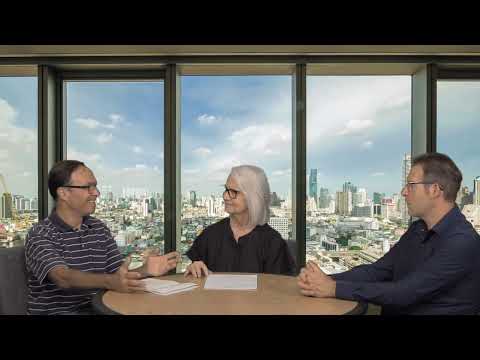
You're watching Open Agenda. Here's our
host, Joe White.
>> Welcome to Open Agenda. I'm your host,
Joe White. In the studio with us now is
Jose Capino from Salsbury. Thank you,
Joe. Michael Lanker from Salsbury. I
asked the two of you, I I wanted you to
be on this episode because you both are
so active with the city council, uh,
showing up, watching. I know that you
have, you know, this is not about
political ties. This is about what's
best for the city. You've seen the the
mayor talk about housing first and
homelessness and affordability in
general. I know this ends up being a
political football that the two of you
has spoken so many times so well about
we need to take the politics out of this
and and work on the solutions. I want to
bring in Mayor Randy Taylor and he I
know his letter got leaked about him
re-evaluating housing first and I know
I've talked to him personally about he
may want to expand this or adjust it. He
just wants to make sure they're helping
the most folks and I want to do that
with Mike Goldberg from Delmare because
Mike doesn't go to every meeting and I
want to see if Mike can understand it
and then I want to bring the two of you
back in and just see what you how you
feel about what Randy had to say. That
>> all right?
>> Good. All right, sounds good.
>> So stay with us. When we come back,
we're going to bring in Randy Taylor for
the mayor of Salsbury. We're going to
talk about housing first and the
Salsbury City Council. So stay with us.
We'll be right back.
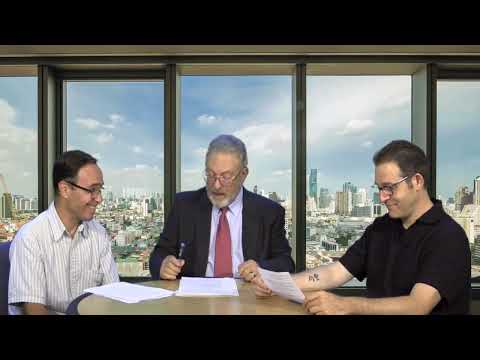
>> Welcome back to Open Agenda. In the
studio with us now is the mayor of
Salsbury, Mr. Randy Taylor. Thank you
for coming out.
>> Thank you.
>> Mike Goldberg. Thanks for sticking
around.
>> Of course.
>> So we we heard about the the housing
first through the media and through the
last few work sessions at the city
council. We we wanted to get your take
on really what is housing first and how
does that affect Salsbury and and I want
to ask you first where did it even
start? Well, it started was started by m
um Jake Day in a prior administration
prior administration and and basically
an street and housing first was both
start both started and housing first was
started first and then an street came
sometime later and it's somewhat unusual
for a town our size to have this level
of housing you know being handled by the
city level but in fact we that's what
we're doing. Um that said, the housing
first is far less known than Ant Street
and essentially what it's it's designed
to do is be permanent supportive housing
for folks that are previously homeless
to transition to you know fixed housing
and then get permanent supportive sort
of services which we've done a better or
that's a great job of over the years.
The first initial problem we had was in
my view in terms of the program was they
were supposed to be paying a portion of
that of their rent which they weren't
doing. So we we we sort of corrected on
that front and then the next step was
well wait a minute is this the right is
this the right fit for what we're trying
to do in terms of helping as many people
um as we can relative to housing
support. And what I really realized was
that basically we had spent a million
dollars over 10 years to support 11
households. Now there had been various
people that had moved to those
households but
>> but your average was 11 per year.
>> Yeah, we 11 per year. So we started
looking at well critically how can we
how can we do this better? How can we
help more people uh either with the same
amount of money or we have to add some
money and look at different buckets
since that's what we went went down that
that that alley. And so we sent a letter
out basically to say, "Hey, listen. You
know, uh, we're not going to do anything
till 2027." But
>> you mean make any changes?
>> Make any changes in the program, but we
were going to be re-evaluating. And so
in that event, that little period right
there, we had a few people that got a
different voucher and through a
different program and were able to move
along. So that freed up more dollars. So
maybe potentially could help help
somebody else. But anyway, we sent out a
letter saying that, you know, we're not
going to do anything for 20 till 2027
and then we're going to look at how the
housing uh how we could do this better
where we could help more people over a
shorter amount of period of time.
>> Now, one thing you just said is you said
this is a permanent solution. So, so is
the goal of the program not to
transition these folks into paying this
rent to them for themselves or a larger
portion eventually so you can help more
people later or like once you're on it,
you stay on it? Well, that that's what
it had turned into. And I and I think in
some cases there are a couple people
within that the current the current
footprint that'll probably stay that
way. Um but there may not but because
these are very these are people that get
a very low amount of money through a
benefit uh less than $1,000. So it's
it's not a you know they're not a
population that can readily rent, you
know, privately. So what we were hoping
to do is let it become a gateway uh to
permanent housing where we temporarily
provide them housing, provide them
supportive housing and then ultimately
redirect them to a a voucher that's you
know either state funded or or fally
funded.
>> Okay.
>> Um whatever.
>> Not really to stay on the city uh part
part of this, but to then transition to
another organization.
>> Exactly. And then and then of course
that would free up a spot to help help
somebody else. And then as we got into
it a little bit more, we realized that
there's varying levels of of
homelessness and and and reasons why. It
can be mental illness, it can be
addiction, it can be a mental illness
and addiction, it can be, you know, just
an inability to manage over time and it
creates, you know, chronic homelessness.
So, we're looking at all those buckets
and that's what we're kind of using a
taking a step back and saying, hey, wait
a minute. What's the what's the the
level of the problem? What's the
complexity of the problem? And then how
do we address what we're seeing when we
see when we see people hanging out at
the ACT pan and sleeping on the street
over by right aid and that sort of
thing. So you know what we're we're my
administration is looking to do is
actually not check a box that we're
we're doing XYZ but that we're actually
addressing the complexity of the problem
and trying to get a better result. One
of the things Mike and I have covered, I
mean, and we're both fiscal
conservatives as as you are, is what
would what would the program look like
if we start to go through a recession,
and it does seem like a recession is
dawning on on the state of Maryland
anyway. Does that does that impact your
the city's ability to continue to fund
this program?
>> Well, anytime the state's having
problems that that can be have a ripple
effect on the city, but we are using
city funds for all all of this uh this
funding. Um that that you know that said
you know there are plenty of partners
out there that do this probably better
than we do. And I think the thing that
the city could probably do is provide
the asset side or the fixed structure or
whatever the the real estate piece of it
that could help support um agencies to
help support the bigger bigger problem
of homelessness. But if this if the
state grants that are out there, the
voucher systems were to dry up based off
of a a state financial shortfall like
we're like we're experiencing now,
>> right?
>> Would that then put more pressure on the
city and and are you are you trying to
get to a point that you can have some
flexibility to respond to that or are
you really just are you trying to
evaluate the dollar spent now? Well, I
think that's what, you know, why the
people that are benefiting right now
from the program are are worried about
because it's the most, you know, stable.
We're local. We're not as, you know, um,
flexible or I shouldn't say as
vulnerable, say, as the state funding
might be. So, they they want to keep
what they have. And I I agree with that
part. Um, to the to the extent that we
can make it a self-sustaining program,
sure. If we we can get the benefit of
the state, great as well. Um, so or
private organizations or nonprofits,
great too. But it I think understanding
the complexity of the problem and I
don't think you know we get these pit
counts the so-called point in time
counts they're not particularly
accurate. Um so I'd like for us to take
a deeper dive and really look at you
know what what the problem looks like
here in Salsbury and see how we can
help.
>> What's this evaluation process going to
look like? Uh you mentioned to me before
90 days. So what would what would happen
in the next 90 days that would evaluate
this program? Well, we we're working
with a couple different uh local
providers of homelessness and we're
getting a sense of where they are in
terms of headcount whether that's Halo
or that's Christian shelter on down the
line and um we're just trying to get a
sense of what's happening at at in front
of the ACMA who's out in the woods and
we're not doing so-called a pit count so
much as a hard count and trying to
figure out what the real situation is
and because you know people that like
like Christine Chestnut who's with the
city of Salsbury I mean they've got lots
of years of experience. So they've known
many of these people for many many
years.
>> Okay.
>> Yeah.
>> So what you know ultimately it's the
it's the housing crisis that we're we're
we're facing that's driving this. Uh I
know that you're working on several
projects with the city of Salsbury. You
have you have stuff that's on your on
your plate for the next 12 months to
even beyond the your current term. How
will some of those projects impact the
affordability of housing in Salsbury?
Well, I'm I'm we do have a good pipeline
of housing that's coming to the market.
Um it may not be the type of housing
what we're talking about here. Um when I
was talking about projects in the next
12 months, I was talking more like
infrastructure projects that have been
hanging around that haven't been haven't
been built. For example, Wateride, for
example, Johnson's Dam. There there's a
number of them. Um uh but those are the
ones that I'm looking to bring over the
finish line and get, you know, get going
and get, you know, investments in
Salsbury.
>> Okay. Do you feel like the will the
density change to 80 units per acre in
in downtown will that exacerbate this uh
this affordability?
>> I don't think that I don't really that's
not really a factor in my view in terms
of the short-term housing okay crisis as
it relates to homelessness.
>> Randy, you had uh you know mentioned
around the acme that there are a lot of
homeless people. Clearly from what I've
seen a lot of them are suffering from
mental disabilities. What about group
housing facilities to at least get these
folks off the street where they have
shelter and their basic human needs are
met?
>> Why aren't we seeing that? And why
aren't we seeing any assistance from the
state of Maryland in establishing those
kind of facilities?
>> Yeah. Well, I agree with you. those that
that's the where I think the city could
be of help providing a a fixed asset for
that type of an environment and then
other nonprofits could could you know
support those those assets and trying to
get them permanent housing or at least
out of the weather and and in safe
secure housing.
>> Are the nonprofits or you know um
religious organizations do you feel that
they're making the level of contribution
to taking care of their flock that they
should be? Yeah, I I think there's
there's a there's a percentage of the
population that um become problematic
over time. So they're they're they
become unhousable or they go they go to
the woods. And so that's the challenge.
It's that I think segment of the people
you see on the street which you know you
know and that's coal. We're trying to
get access to an override you know
emergency shelter. Um, but you know,
those are the folks that you're seeing
in front of Acme all night long instead
of the right aid and then, you know, you
know, having problems finding Halo type
or Christian shelter type or hearts and
hands, you know, types of housing.
>> Salsbury City Parade was this past
Sunday. Uh, did you have a nice turnout?
>> It was It was a good turnout and I had a
good time.
>> Was it a little little cold though,
right?
>> A little brisk. A little brisk.
>> You think there's a different spirit in
the air this time of year in the city?
>> Yeah. Yeah. you know, I think everybody
kind of lets themselves be a little bit
more lighthearted during the holidays
and I hope that that lends itself to
maybe some productive conversation. Um,
you know, the departure of Deshawn, the
replacement, um, the the anticipation of
who was going to be in leadership, I
think was creating some angst more than
normal and on top of some things that
were going on inside the city. But I
think, uh, you know, by the time the
holidays actually hit, they'll lighten
up and hopefully we can have some eggnog
and enjoy it. Mike, Mike, you were out
there. I
>> I was and and I just think it's a great
event. You know, it was it's the first
time I'd actually ever gone to the to
the Ssbury parade and you know, not only
were the floats good and you know, all
the kids in the marching bands, but it
really, you know, brings a community
together. You know, you talk to people
that you know, you talk to people that
you've never met before and you make new
friends. A lot of the dignitaries were
there. We saw you there. A lot of the
members of the county councils, members
of the city council. Did you Did you get
to see Santa Claus?
>> I I did see Santa Claus. Yeah. And I
think it was the the real Santa Claus.
We we got to see at the at the last
Salsbury city council meeting on on
Monday,
>> the the swearing of a new council
member, appointed council member to
replace Deshaawn Dowy. And we also saw
an election amongst the council for a
new president.
>> Yes.
>> Uh you were part of that process
>> for council president now open.
>> Yes, Mr.
>> Mayor.
>> Yes. Um, I'd like to nominate
Councilwoman Jackson for the president,
please.
>> Okay. So, we have one nominations.
>> I'd like to nominate Angela Blake.
>> Yeah. Whenever there's a a change in the
leadership, the mayor takes that role
of, you know, of conducting those
ceremonies and I did and uh and so uh
Angela Blake was selected as the new
president and April Jackson the vice
president. So,
>> and you you heard a lot of uh folks
speak at the public comments about the
the lack of transparency over the
appointment process.
>> Member of the Salsbury community, I want
to express my strong belief in the
foundational importance of transparency
in our local election processes.
particularly following the recent
vacancy appointment. It appears that
many in the community were disappointed
that the procedures used to fill the
recent vacancy on the city council lack
the public scrutiny and openness that
builds community trust. You know, there
has to be a procedure to break a tie.
Um I think the charter needs to be
addressed so that in the event of a tie,
who else but the mayor? or another
elected official to make that decision
>> and even the calls for special election.
Do you do you uh do you have an opinion
about whether or not we should change
the charter to to include that?
>> It's interesting as I did the math, you
know, a number of people, three of which
now are on the council in in Angela and
Michelle and in Melissa all came out of
the result of special elections um
>> or appointments.
>> I mean, sorry, sorry, appointment point
election. So, appointments. know I think
we were talking about it this morning
our staff meeting and I was saying that
you know when you lose a council member
you need to fill that position because
it you know it fills out the but the way
maybe to do it is to do an you know do
an appointment but then have a a special
election to follow and that that
appointment may or may not survive it uh
you know depending upon how the election
goes. I think that's probably maybe the
fair way to do it if there's a lengthy
uh term left on their on their
>> Yeah. one one of the one of the dates
put out there was a year uh if there was
more than a year left or even I heard
100 days 100 days isn't even very long
to get an election off the ground so
>> uh were you were you satisfied with with
the way that the the city council
election for the president went is that
>> yeah I mean I think they they voted
their their conscious and what they
wanted to do um let me say it this way
you know I'm I'm happy I'm I just met
Melissa uh and Holland and I think she's
you know she seems very very nice and
I'm I'm hopeful that she comes with open
hands, ready to do some work. We've got
some work to do. Um that said, um yeah,
there was a lot of controversy as to,
you know, her her qualifications
relative to other people and I I think
that's, you know, to be expected. Um, at
the end of the day, I think we probably
do need to make a little tweak in the
way we do do the elections because it
would be a fair way for the people to
speak in the event of
>> well the people in that district clearly
they did not get a voice now who was as
to who was going to represent them and
you know in my view in the event of an
an effort to appoint somebody and there
is a deadlock why doesn't the mayor
able to make the deciding vote if you
take a look at the federal level. You
know, the vice president of the United
States is also the president of the
Senate, but only votes when there's a
tie.
>> Exactly.
>> And, you know, there's been, you know,
so much talk, especially during question
A, that um our local government needs to
more closely mirror, you know, the
structure of the federal government.
Well, here's a necessary piece of that
structure, but it doesn't exist. What do
you think the chances are of a charter
amendment that would give the mayor that
power to cast the deciding vote in this
circumstance?
>> It's interesting. I mean, I think it'd
be worth convers, you know, a
conversation at the at the council
level, you know, and maybe it's a
combination of that. Maybe it's a, you
know, mayor votes in the event of a tie
and then that person does run in some
sort of formal formalized election later
on if that's the to to get the will of
the people, you know, of the people in
the district. Are you are you noticing
any shift in the amount of p public
engagement at the city council meetings?
Is there and obviously sometimes people
are there because they're upset? Yeah.
But are you are you seeing any shift in
the fact that people are saying, "Hey,
look, I'm going to go ahead and get
involved before there are problems."
>> Uh get involved, not so much, but they
speak out for sure. Um they may do it in
various ways. They may come to council
meeting. They may send to tell the
mayor. They may send emails. They may
post on Facebook. They may do a bunch of
stuff. But there there seems to be a
fair amount of people swirling about the
topics that are important to the city
right now.
>> So, what other challenges besides u the
housing first do you do you think are
are high on your list?
>> Well, we we've got a ton of priorities,
you know, like I I've always sort of
maintained from the you know, when I
when I ran for mayor was I felt like the
prior administration was focusing on
problems that we didn't have and and and
uh and and trying to fix problems that
we didn't have and rather and not fixing
ones that we did. So I I've tried to,
you know, kind of do a hard assessment
of where we are and get ourselves back
on the right fiscal foot and it's been a
hard process, you know, to um getting
good information and and uh then you got
now you got the union in play. So that's
that's been a costly, you know, thing
over and above normal operational costs.
So um I'd say, you know, as a general
statement, I think we're in pretty good
shape financially. We've got to make
some hard decisions. I think we're going
to do something very cool within the
police department and we're going to add
a program called flocks which I think is
going to be a gamecher with how how we
do policing and I'll let the chief lead
that the conversation but it's basically
a um a real time crime center where we
have cameras throughout the footprint
along with tag readers and it'll be a
very proactive way to not only prevent
and people selecting not to commit
crimes but if there is crimes that we
>> you better apprehend them quickly. we
have, yeah, we'll get better information
faster. It's a game changer and it's a
it's a force multiplier, but we've got
some exciting things going on. Um, and
you know, more to follow on that topic.
Um, we'll do a state of the city in the
next 30 days or so and we'll kind of
roll out our accomplishments, but a
lot's been going on, you know, and it's
been I I kind of roll below the radar
screen, you know, just because that's my
my style. But uh in January we'll roll
out sort of some
>> and your your next meeting is moved up
because of the holiday and we do have
the holidays coming up but your next
meeting is December 15th. Well, thanks
for coming out. Thanks for talking about
housing first with us. Uh we hope to get
some folks questions answered that have
approached us. But uh ultimately if the
if the next 90 days there'll be work
sessions, they'll be able to go to city
council meetings and catch up.
>> Look look forward to seeing you.
>> All right. Thank you. Thanks for being
>> Thanks for watching this segment of Open
Agenda. We'll be right back.
Welcome back to Open Agenda. Back in the
studio with us is Jose Cavino from
Salsbury. Thank you for coming back.
Michael Anker from Salsbury. So you both
gentlemen got to watch the interview we
did with Mayor Randy Taylor. Uh both of
you are so active in going to the city
council meetings and and I know you were
both present when so many folks came out
to speak against his proposed cuts of
housing first, which are not proposed
cuts. This is a valuation of the assets
that they're using and and and the
number he used in his interview is a
million dollars over the last 10 years.
These are not small amounts of money. Uh
how do you feel, Joe? I mean, do you
feel like this is this is a good time to
go do an evaluation of this program?
>> Absolutely. Um as the mayor said, you
know, it was started by the previous
administration, good intentions. Um but
like any new program it had you have to
step back and evaluate it after a year
or two and and do like a SWAT analysis
you know what are the strengths of the
program what are the weaknesses what
opportunities we have to improve it you
know what are threats that may
jeopardize this program so um what he's
had proposed to do was to have a a year
runway to do just that and then in 2027
implement any changes is and he
emphasized we are not planning to cut
the program. In fact, we might even
increase the funding.
>> Well, Michael, you're you're a property
manager in Salsbury. I mean, this is
part and parcel with what you deal with
every day, right? What when you're
looking at a program that's run by a
relatively small city? I mean, Salsbury
is not Baltimore or Annapolis. Do you do
you feel like having having spent about
$100,000 a year to help out on average
11 families, knowing what you know about
the housing situation in Salsbury, do do
you get the sense that we're we're
effectively making change to help home
some of the homeless people?
>> I think I think that's that's exactly my
problem I think with it is that it's
maybe not the most effective way when
you have people that are like these
vulnerable populations and you're trying
to address somebody with like disability
and stuff. if you're it it is key to
house them and get them housed in place
you know I think an street you know is
part of that effort to get people you
know to a place of stability so they can
build up but then there's an aspect of
like also with an street there's
wraparound services that are needed and
I think like what's lacking in my
understanding is they're just like it's
kind of this people standing on they
know this is the right thing because
there's amount of data that says oh well
it's it is a fundamental truism that
giving people housing first is going to,
you know, end their homelessness
experience and that it's going to help
them build stability and and I do
believe that everybody needs and
deserves housing.
>> But I don't believe that like merely
providing that without any kind of
system in place of accountability or
support, you know, um both
accountability and support, you know,
there's responsibilities and duties,
especially like, you know, I think on
the property management side about legal
liabilities on the part of the the city.
So, it's like you want to be wise about
how you go about making financial
obligations on the part of the city and
how you're helping and serving people so
that they don't just end up in a endless
loop of bureaucracy.
>> You want to make sure you're not just
throwing money blindly at the problem
without addressing, I think this is what
you're saying, the fundamental causes of
that problem and also helping folks get
a hand up and and move out of that. One
thing that he brought up in the
interview that that stuck out to me and
and I think to a lot of fiscal conserv
is is that there was supposed to be an
element of the folks also contributing
towards the rent and he was finding
within the program that some of the
folks were not doing that.
>> So if the program is written that it's
supposed to be a cost share
>> and you have some folks who are doing
none, well then it's simply a handout,
right?
>> That that's all it is. and and and I
would agree with you, Michael, and I
think sometimes this gets lost in the
rhetoric, finding a solution to what is
the root cause of that homelessness.
Now, we we've we've said before some
some people choose to to have it, but a
lot of folks
>> it's a there's a there's a mental
disability or a physical disability
that's causing it that's not going to go
away,
>> right? And I think that we should have a
way everybody has a contribution to make
in our society. I think that's like the
general idea of us collectively having
this experiment.
>> So, one of the questions I have is if
you're if if you're just looking at this
from the city of Salsbury or maybe this
is just an issue for the mayor to figure
out, then you're missing the bigger
picture that this is a county problem to
some degree
>> or to a large degree. And is the city
council part of the solution, the
current city council, or are they or are
they just looking for another way to
rake the mayor over the coals? Because
we we have heard from Councilwoman
Sharon Deile talking about homelessness
and we know that she she's boots on the
ground in that effort herself in the in
the city. But by and large, a lot of
times, and I think this letter was
leaked out, uh the the the mayor was
just trying to start the conversation.
This just seems like to be a political
ploy just to throw him under the bus.
>> Absolutely. That's the impression I got.
>> Yeah.
>> Yeah.
>> And we haven't seen all the county
council meetings, we haven't seen any
collaboration here.
>> Yeah. I I think that that's a missing
element is that like right now what what
we just heard from the mayor was that um
this is all city money. So this is all
like city taxpayer money which is going
to be the smallest pot like the largest
amount of funding. You look at any of
the organizations whether you look at
the the city is not funding SU the state
is the the city's not funding uh it
funds pack 14 in part but the largest
portion comes from the county. So if
there is a to your point if there's a
issue of homelessness in city of
Salsbury it's also in Wcomakico County
and why aren't there revenue streams
coming from county or from the um or
from the state
resources I mean if it's not just money
could be mental health resources
>> personally I I have felt I've said this
for years it's not popular right now
with the crowd of people who are in the
that are very boots on the ground
involved with helping the homelessness
issue but I have said we need a public
homeless shelter. We did we we need like
major cities as we get become larger.
I'm like that would allow us to fair and
equitably get people off the street but
also provide the you know requ have
social workers from the state that are
there that help them case management
services. And it's like I just can't
imagine. I understand nobody wants to
like live in a room, but as somebody who
has been homeless and had to live in a
room and worked myself out of that, it's
like
>> sometimes you have roommates. I you know
what I mean? Sometimes you're in a
situation where it's not your first
choice. But like
>> I mean I live in an apartment now.
That's not my first choice. But like but
I'm not going to be miserable about that
and and and cry that people owe me
something out of that. I I think that we
could be just using the resources better
to help more people.
>> Well, I hope the two of you as you
attend the city council meetings and uh
mayor talked about the next 90 days
going through this process, hope you
keep us up to date and we could have him
back on as well if the time needed. So
>> definitely
>> thanks for watching this episode of Open
Agenda. We'll be back later this week
with another new episode.
Oh
yeah.
heart.
Merry Christmas.
>> It's broken, but edible, I promise.
You don't got my life behind
us behind.
Oh my god.